The License Fight Starts Almost Immediately After a DWI Arrest
After a Texas DWI arrest, the criminal charge isn't the only case you may have to deal with. If you refused a breath or blood test or provided a specimen showing an alcohol concentration at or above the applicable legal limit, the Texas Department of Public Safety may also seek to suspend your driver's license through the Administrative License Revocation hearing process.
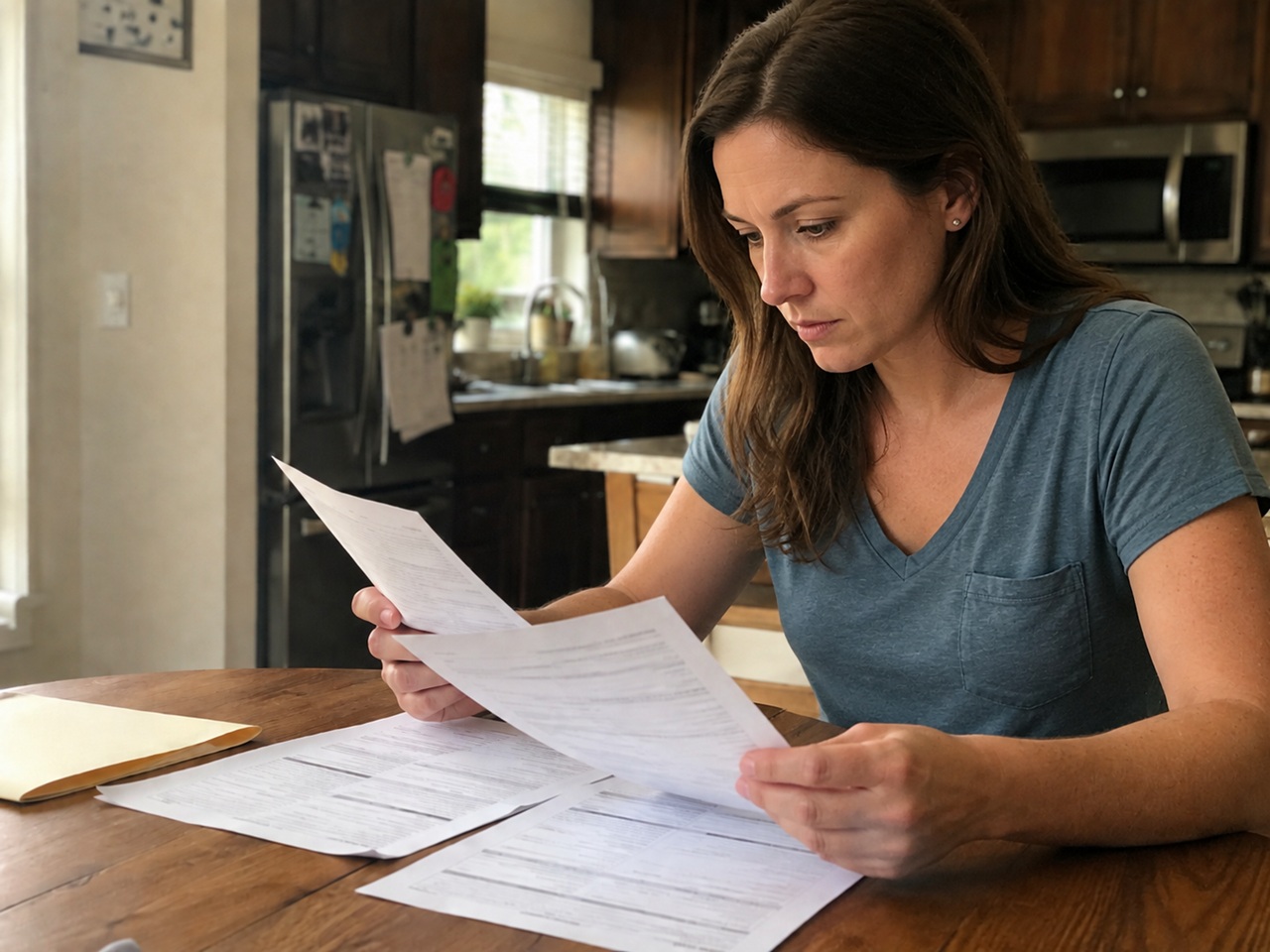
An ALR case is separate from the criminal DWI prosecution. It has its own deadlines, procedures, evidence, and consequences. Most importantly, you don't have months to decide whether to contest the suspension. The deadline can start running as soon as you receive the suspension notice.
Amanda Webb - DWI Lawyer helps drivers protect their licenses while also defending the criminal charges arising from the same arrest. Taking action quickly can preserve a valuable opportunity to challenge the suspension and to examine evidence that may also be relevant in the DWI case.
An ALR Hearing Is Separate From Your Criminal DWI Case
An Administrative License Revocation hearing is a civil proceeding involving your driving privileges. The Texas Department of Public Safety pursues the suspension, and the hearing is conducted before an administrative law judge through the State Office of Administrative Hearings, or SOAH.
The criminal DWI case is different. That case determines whether the State can prove that you committed a criminal offense and may result in fines, jail time, probation, and other criminal consequences.
The two proceedings can arise from the same traffic stop while remaining independent of one another.
That distinction matters. A dismissal of the criminal charge doesn't ordinarily erase an ALR suspension by itself. Texas law does provide a specific exception for an acquittal on qualifying intoxication charges. When that exception applies, DPS must rescind an ALR suspension arising from the same incident.
The ALR Deadline Is Not Always 15 Days From Your Arrest
This is one of the easiest parts of Texas ALR law to misunderstand.
The commonly repeated rule is that you have 15 days after a DWI arrest to request a hearing. More precisely, the deadline generally runs from when you receive or are legally considered to have received the notice of suspension, not simply from the calendar date of the arrest.
If an officer serves the suspension notice during the arrest, as commonly occurs after a breath-test refusal or certain other cases, Texas Transportation Code § 724.041 gives you 15 days after receiving that notice to request a hearing.
A blood-test case can work differently. If you consent to a blood draw and the laboratory result isn't available at the time of the arrest, DPS may send a suspension notice later after receiving a result above the legal limit. DPS currently instructs drivers in these blood-failure cases that they have 20 days from the date the suspension notice is mailed to request an ALR hearing.
The safest approach is not to calculate the deadline from memory. Look at the notice you received and act immediately.
The Texas ALR Timeline After A DWI Arrest
1. Suspension Notice
DPS begins the administrative license process after a refusal or qualifying failed test.
2. Hearing Deadline
You may have 15 days after being served notice, while certain mailed blood-test notices currently provide 20 days from mailing.
3. Timely Hearing Request
Requesting the ALR hearing on time generally keeps the challenged suspension from taking effect while the case is pending.
4. ALR Hearing And Decision
An administrative law judge considers whether DPS proved the issues required to suspend your driving privileges.
A Timely Hearing Request Can Keep The Suspension From Starting
Requesting an ALR hearing doesn't guarantee that you'll keep your license permanently. It does, however, prevent the challenged ALR suspension from taking effect while the administrative case is pending.
Under Texas Transportation Code § 524.032, a timely hearing request stays a failed-test suspension until the administrative law judge issues a final decision. Texas law provides a similar stay for refusal cases.
If you don't request a hearing within the applicable deadline, the opportunity to challenge the suspension can be lost. The suspension generally takes effect on the 40th day after the applicable notice date.
That is why the driver's license consequences of a Texas DWI arrest need attention immediately rather than after the criminal case has been pending for several weeks.
How Do You Request An ALR Hearing?
The request goes to the Texas Department of Public Safety, not the criminal court handling your DWI charge.
DPS currently provides an online ALR hearing request process and also identifies other methods for submitting a request. The request needs enough identifying and arrest information for DPS to locate the correct driver's record and suspension action.
Once a timely request is accepted, DPS sends information about the hearing. SOAH's current guidance states that most ALR hearings are conducted by videoconference, although hearing procedures can vary depending on the circumstances.
A driver represented by an attorney can have the lawyer handle the hearing request and subsequent administrative filings. That can be particularly useful because preserving the hearing is only the beginning. Evidence, subpoenas, objections, and hearing strategy can all matter once the case reaches SOAH.
The State Has Different Burdens In Refusal And Failed-Test Cases
One important detail is that Texas law doesn't use exactly the same ALR issues when a driver refuses a breath or blood test as it does when the driver takes a test and allegedly fails it.
In a failed-test case under Chapter 524, the administrative law judge generally considers whether:
- The driver had an alcohol concentration at or above the applicable statutory level while operating a motor vehicle in a public place; and
- Reasonable suspicion existed to stop the driver or probable cause existed to arrest the driver.
In a refusal case under Chapter 724, the issues generally include whether:
- Reasonable suspicion or probable cause existed to stop or arrest the driver;
- Probable cause existed to believe the driver was operating a motor vehicle in a public place while intoxicated;
- The driver was arrested and asked to provide a specimen; and
- The driver refused the officer's request.
DPS has the burden of proving the required issues by a preponderance of the evidence. If the administrative law judge concludes that DPS hasn't established the necessary elements, the proposed suspension isn't sustained.
The Evidence Is Not Limited To What The Officer Says Happened
An ALR hearing can require a close examination of the paperwork and evidence created during the DWI investigation.
Depending on the case, relevant material may include:
- The Arrest Report: The officer's description of the driving, traffic stop, field sobriety testing, and arrest.
- DIC Forms: Documents recording the statutory warnings, test request, refusal or failure, and suspension notice.
- Blood or Breath Results: Laboratory or breath-test evidence when the suspension is based on an alleged failed test.
- Body and Dash Camera Video: Video may show whether the written report accurately describes the traffic stop and investigation.
- Driving Records: Prior alcohol-related or drug-related enforcement contacts can affect the length of an ALR suspension.
SOAH states that DPS must provide the exhibits it intends to use at the hearing no later than two business days before the proceeding. A defense attorney may also pursue discovery earlier rather than waiting until the hearing date approaches.
This early access to evidence can make the ALR process valuable even beyond the license itself.
The Arresting Officer Does Not Automatically Have To Appear
This is another part of the process drivers may misunderstand.
Requesting an ALR hearing doesn't automatically force the arresting officer to appear and testify. SOAH specifically advises that DPS isn't required to bring the arresting officer unless the officer is properly subpoenaed.
If having the officer testify is important to the defense strategy, the proper subpoena procedure needs to be followed. Current SOAH rules include deadlines for requesting and serving subpoenas before an ALR hearing.
If the officer does testify, a lawyer can question the officer about issues such as:
- The reason for the initial traffic stop;
- What the officer observed before making the arrest;
- How field sobriety tests were administered;
- Whether the officer's testimony matches the police report and video;
- How the breath or blood test request was handled; and
- Other facts relevant to reasonable suspicion or probable cause.
Those answers may matter not only to the administrative case but also to the defense of the criminal DWI charge.
An ALR Hearing Can Reveal Problems With The DWI Case Early
The ALR hearing often takes place well before a criminal DWI trial. That can give a defense attorney an early opportunity to examine documents, review the officer's account, and identify inconsistencies in the evidence.
For example, a police report might describe obvious signs of intoxication while body-camera footage tells a more complicated story. The officer's testimony may differ from the written report. The reason given for the traffic stop may raise legal questions. Records involving blood or breath testing may create additional issues.
None of those problems automatically wins the criminal case. But discovering them early can help shape motions, investigation, negotiations, and trial preparation.
There is also an important caution. A driver isn't required to testify at the ALR hearing. If the driver chooses to testify, the testimony is given under oath; DPS can ask questions, and those statements may potentially be used in the related criminal case. Deciding whether the driver should testify requires careful consideration of both proceedings.
What Happens If You Miss The Hearing Deadline?
If DPS doesn't receive a timely ALR hearing request, the right to contest the administrative suspension may be waived, and the suspension proceeds without an ALR hearing.
The length of the suspension depends in part on whether the case involves a failed test or a refusal and whether the driver has prior alcohol-related or drug-related enforcement contacts.
For an adult driver, current Texas law generally provides:
- Failed Test: 90 days when the driving record shows no qualifying alcohol-related or drug-related enforcement contact during the preceding 10 years.
- Failed Test With Prior Enforcement Contact: One year when the driving record shows one or more qualifying contacts during the preceding 10 years.
- Refusal: 180 days for a refusal when the driver doesn't have a qualifying prior enforcement contact during the preceding 10 years.
- Refusal With Prior Enforcement Contact: Two years when the driving record shows one or more qualifying contacts during the preceding 10 years.
Different rules can apply to drivers under 21 and commercial drivers.
An Occupational License May Provide Another Way To Keep Driving
Losing an ALR hearing or missing the request deadline doesn't necessarily mean every form of legal driving is impossible.
Depending on your circumstances, you may be eligible to pursue a Texas occupational driver's license. An occupational license can authorize driving for certain essential needs while an ordinary driver's license is suspended.
Eligibility, waiting periods, ignition interlock requirements, insurance filings, and other conditions can depend on the reason for the suspension and your driving history. An occupational license also doesn't erase the underlying ALR suspension.
It is a separate tool that may help you continue handling necessary responsibilities while the suspension remains in effect.
You Can Appeal An ALR Decision, But A Stay Is Not Automatic
If the administrative law judge sustains the suspension, Texas law allows an appeal. The petition generally must be filed within 30 days after the administrative law judge's decision becomes final.
But filing an appeal doesn't always mean you can continue driving throughout the appeal.
Under Texas Transportation Code § 524.042, an appeal stays the suspension only when specified requirements involving the driver's prior suspension and conviction history are satisfied. When the statutory stay does apply, it lasts no more than 90 days after the appeal petition is filed.
That is more limited than simply saying every ALR appeal delays the suspension for another 90 days.
Reinstatement Requires More Than Waiting For The Suspension To End
When an ALR suspension is sustained, DPS currently requires a $125 reinstatement fee before the suspended license can be renewed or another license issued. Other compliance requirements may also apply depending on the driver's circumstances.
Waiting until the suspension period expires without checking DPS requirements can create another delay. Before returning to unrestricted driving, a driver should verify that the license status has actually been restored and all required compliance items have been completed.
A Conroe DWI Lawyer Can Protect Both Sides Of Your Case
A Texas DWI arrest can create two immediate problems: the criminal prosecution and the separate fight over your driver's license. Treating the ALR case as an afterthought can mean missing a deadline before the criminal case has even begun to move.
Amanda Webb is an experienced Conroe DWI lawyer who can determine when your ALR deadline expires, submit the hearing request, review DPS evidence, decide whether to subpoena witnesses, challenge the State's proof, and use information developed through the administrative process when preparing the criminal defense.
We also understand that keeping a driver's license isn't an abstract legal issue. Losing the ability to drive can affect your job, your family, medical appointments, and nearly every part of daily life.
If you've been arrested for DWI in Texas, don't assume you have weeks to figure out the license issue. Contact us for a free consultation. We can review your arrest, identify the applicable deadline for your notice, and explain the steps available to protect your driving privileges and defend against the DWI charge.
"She helped me every step of the way... Plus she got me the best deal, and my driver's license didn't even get revoked." - Faisal B., ⭐⭐⭐⭐⭐

 A Later Alcohol Test Can Become a Disputed Estimate of Earlier Intoxication